Best time to visit: month‑by‑month guide for Seattle
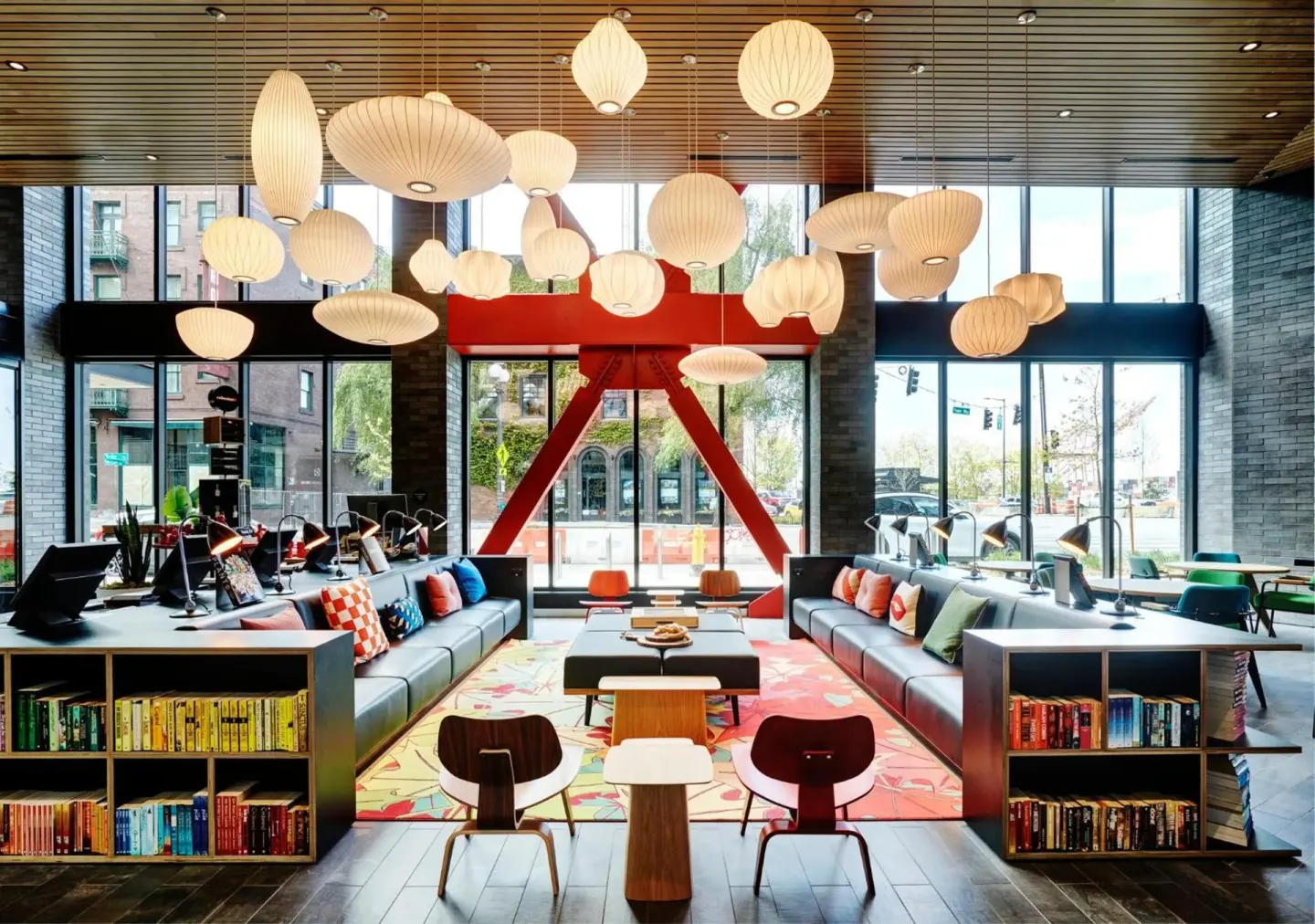
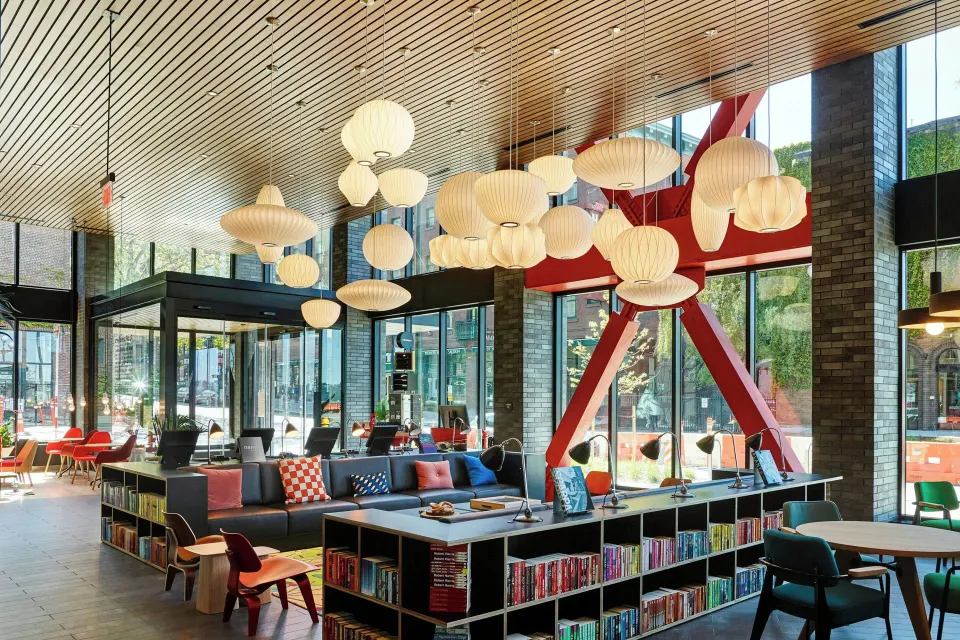
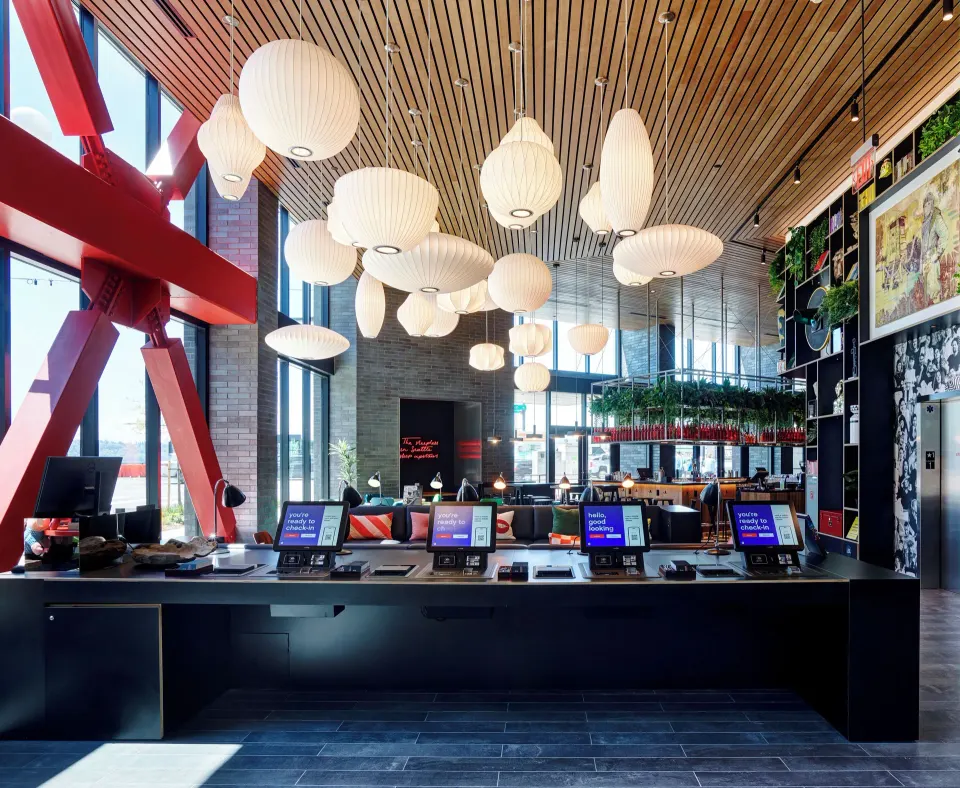
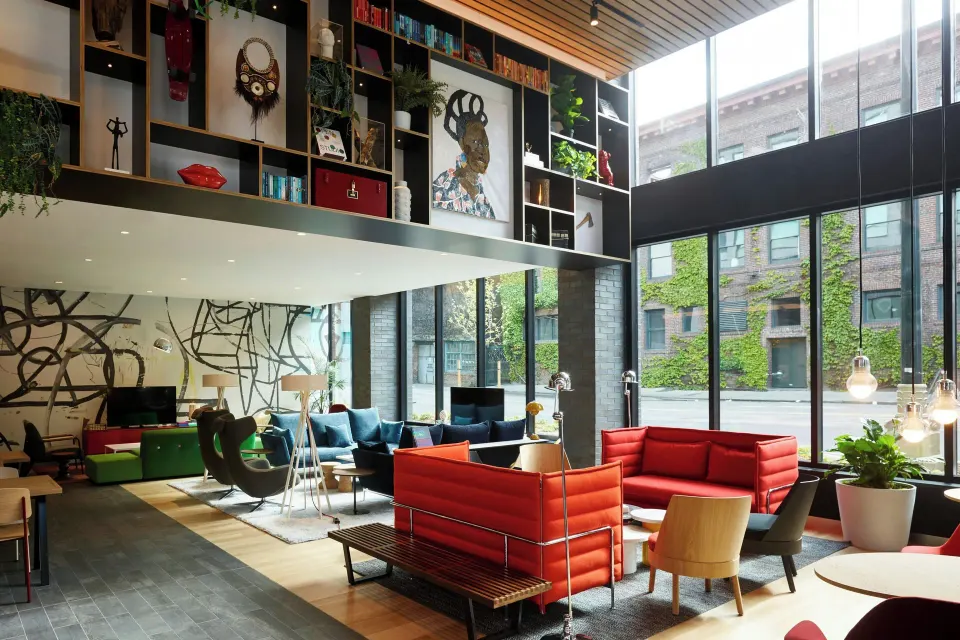
The best time to visit Seattle for warm, dry weather is summer—July and August offer the clearest skies and highest temperatures. If you prefer fewer crowds and lower rates while accepting more rain, visit in late fall through winter (October–March). citizenM Seattle Pioneer Square's central location makes it a good base year-round for waterfront walks, ferries, museums and stadium events.
In this guide
- January–February: quiet, cool, and cloudy
- March–April: early spring, variable weather
- May–June: shoulder season — warming and lengthening days
- July–August: high season — warmest and clearest
- September–October: shoulder season — milder fall and whale‑watching window
- November–December: low season, holiday lights, and indoor options
January–February: quiet, cool, and cloudy
January and February are in Seattle’s cool season, with average daily highs below about 53°F and frequent overcast skies. Expect more wet days than in summer; bring a rain jacket and plan mostly indoor activities.
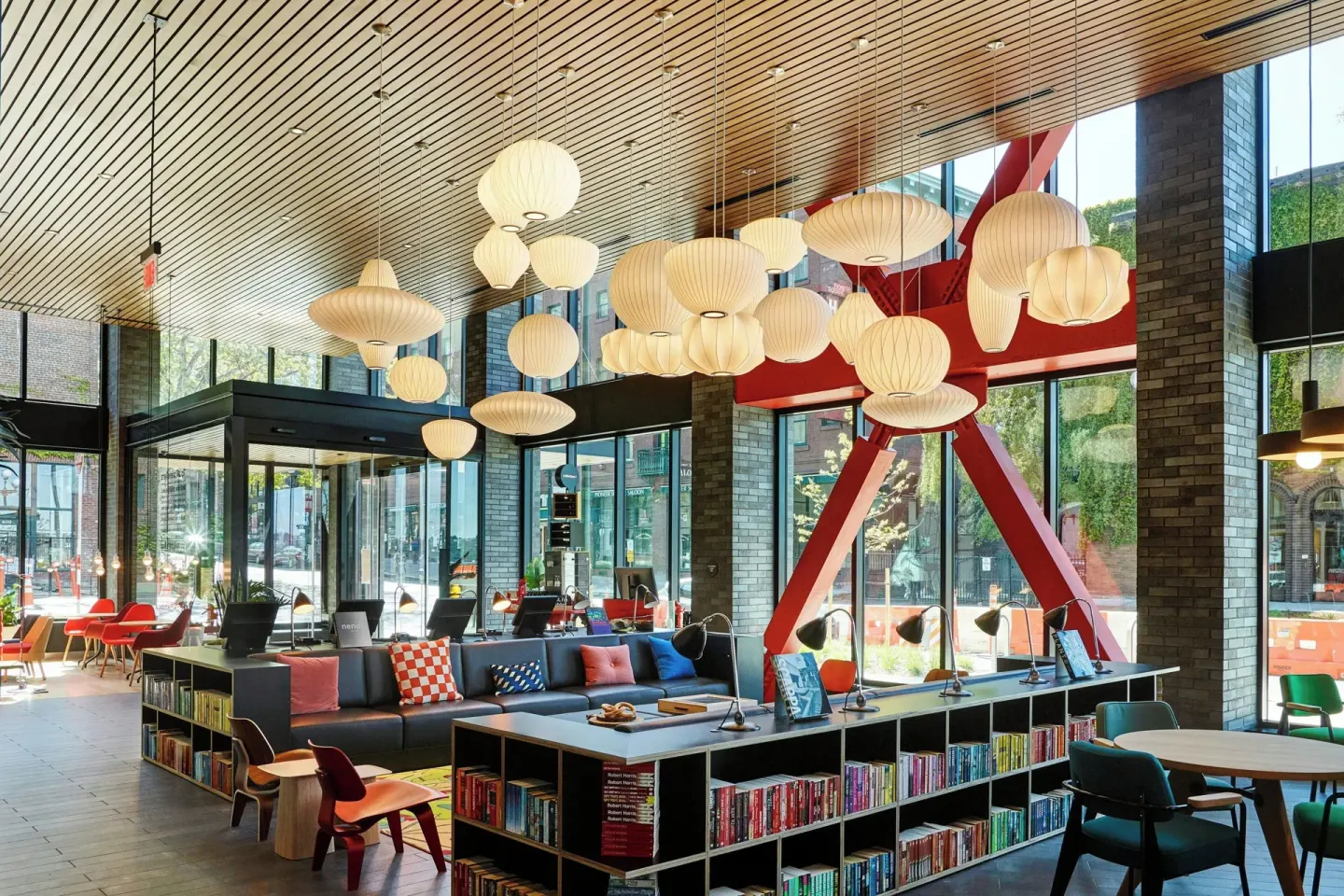
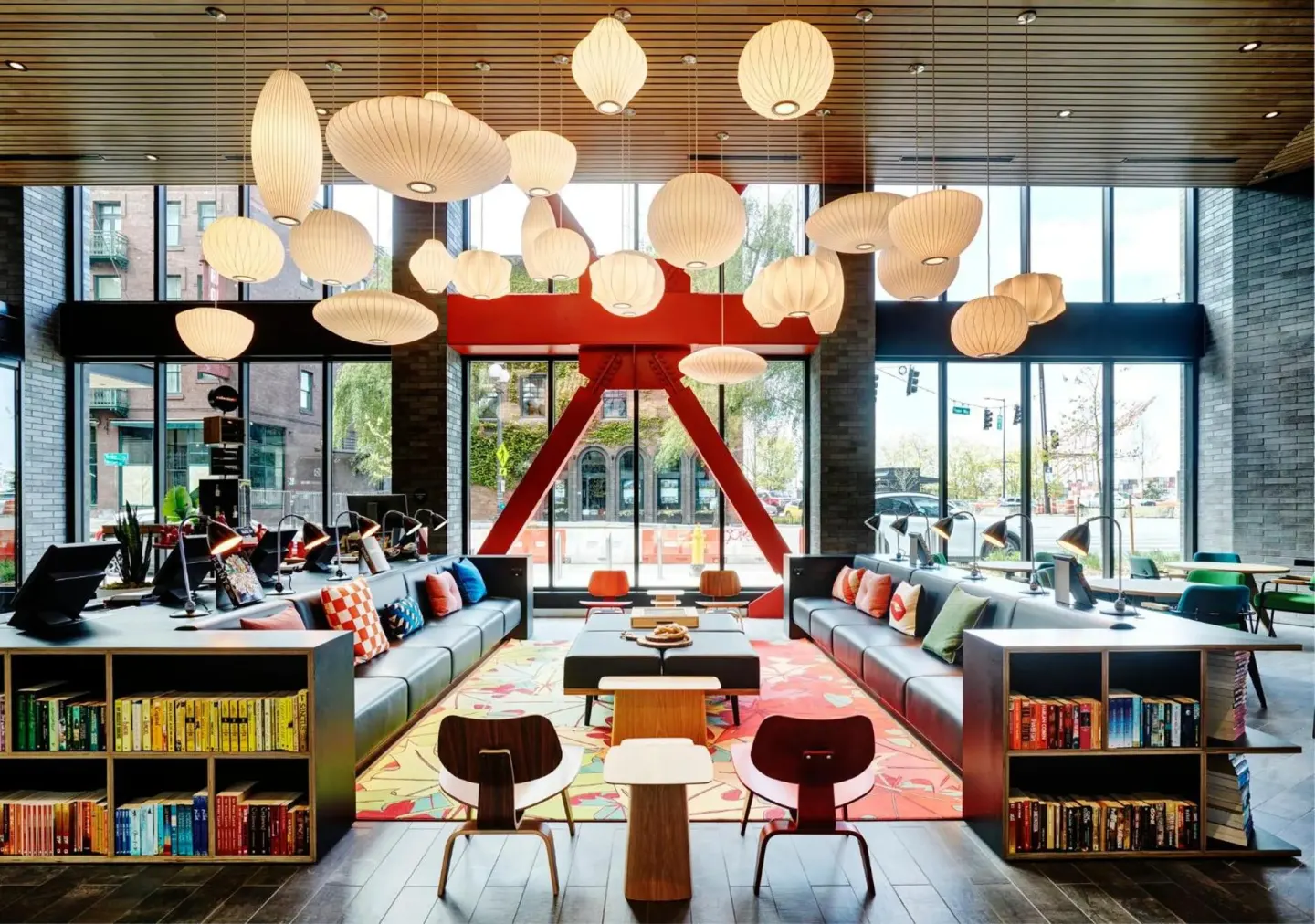
If you want lower hotel rates and fewer tourists, these months deliver quieter streets around Pioneer Square and easier access to museums and indoor attractions. The hotel’s 24-hour canteenM Bar & Restaurant and free Wi‑Fi make it convenient to work or unwind indoors.
- Pros: fewer crowds, easier restaurant reservations and event access
- Cons: more rain and shorter daylight hours
- Good activities: Smith Tower Visitor Experience, museums, indoor tours
| Typical weather | What to pack |
|---|---|
| Cool, often cloudy, frequent light rain | Waterproof jacket, layers, umbrella |
| Daylight short; indoor-focused itineraries | Comfortable shoes, umbrella |
March–April: early spring, variable weather
Spring brings variable weather—some dry, bright days but still significant chance of rain through April. Temperatures begin rising, and the city’s parks and small gardens start to green up.
This is a good window if you want a balance between milder weather and lower visitor numbers than summer. Bring an umbrella and waterproof layers and plan flexible outdoor time.
- Pros: milder temperatures, spring blooms
- Cons: unpredictable showers, mix of cloudy and sunny days
- Good activities: Pioneer Square Art Walk, short ferry trips
| Best for | Notes |
|---|---|
| Sightseeing with fewer crowds | Carry rain gear; many attractions are walkable from the hotel |
| Lower rates than summer | Weekend events may raise demand locally |
May–June: shoulder season — warming and lengthening days
May and June are Seattle’s late-spring shoulder season: temperatures rise, daylight increases, and rainfall starts to taper off. These months offer better odds for dry weather while avoiding peak summer crowds.
Walkability from citizenM Seattle Pioneer Square makes it easy to enjoy the waterfront, Pike Place Market and nearby outdoor spots before the busiest tourist weeks. Evenings can still be cool, so pack a light jacket.
- Pros: longer daylight, improving weather, fewer crowds than July–August
- Cons: still some wet days—bring a compact umbrella
- Good activities: early ferry trips, outdoor festivals beginning in late May/June
| When to go | Why |
|---|---|
| Late May–early June | Good blend of weather and lower crowds before high season |
| Mid-June | Warmer days and extended daylight; expect increasing visitor numbers |
July–August: high season — warmest and clearest
July and August are Seattle’s warmest, driest, and clearest months—ideal for hiking, beach days and waterside activities. Average daily highs are typically above 72°F and August is the clearest month on average.
This is peak visitor season, so expect higher hotel rates and busier attractions and ferries. citizenM Seattle Pioneer Square’s location near the ferry terminal and piers makes it an excellent base for summer outings.
- Pros: best weather for outdoor activities, long daylight (well after 9pm)
- Cons: busiest time for hotels and attractions
- Good activities: Bainbridge Island ferry day trip, waterfront strolls, outdoor festivals
| Tip | Why it helps |
|---|---|
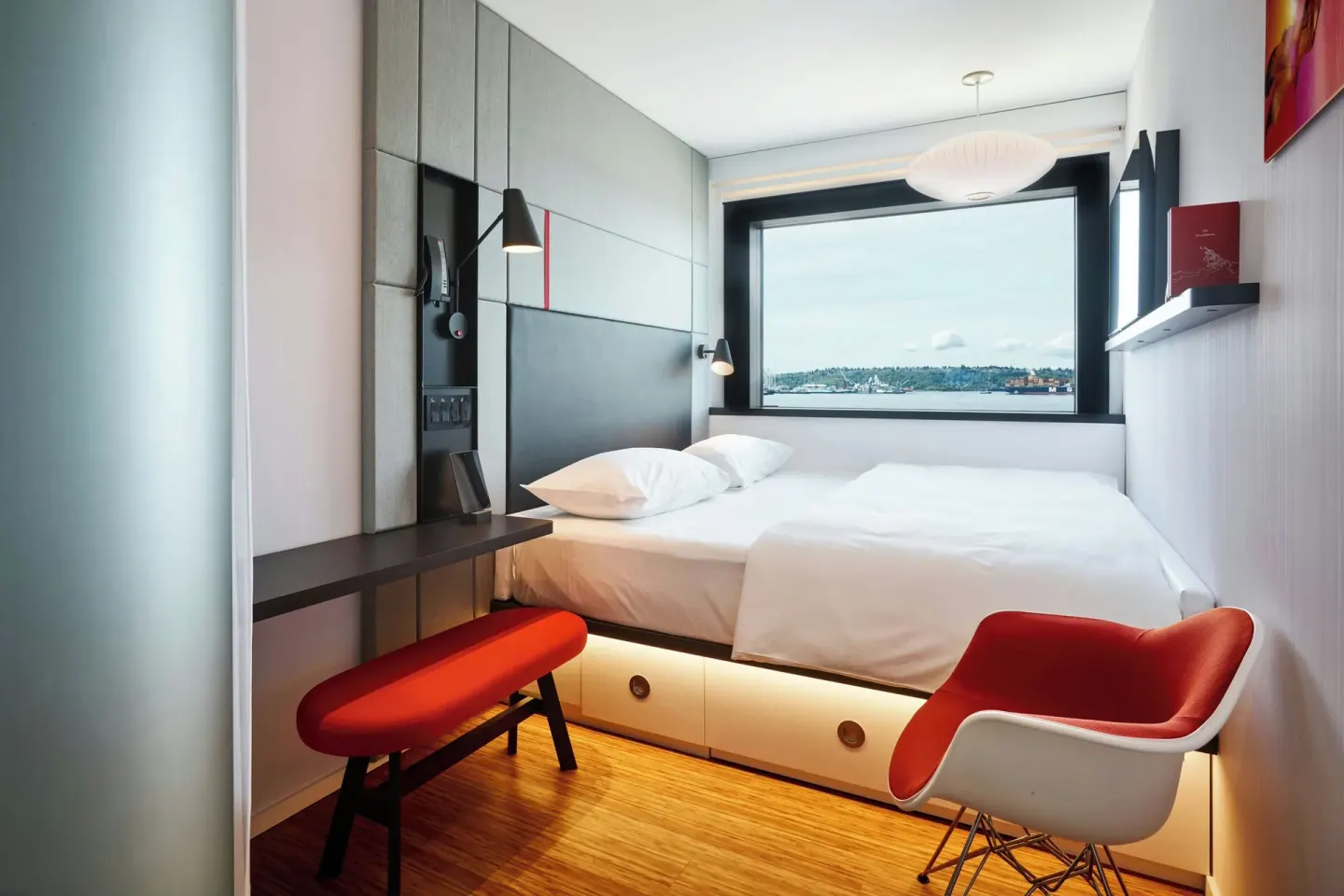
| Book rooms early | Higher demand in July and August; reserve Room, Room (High Floor) or Premium Room in advance |
| Expect cool evenings | Bring a light sweater even on warm summer days |
September–October: shoulder season — milder fall and whale‑watching window
September often keeps summer-like weather—still relatively warm with lower rainfall—then rain increases through October. This makes late September a sweet spot for milder weather and thinner crowds than mid-summer.
Early fall is also a reasonable time for whale-watching trips while local crowds dip. Plan for changing conditions and pack layers for cooler evenings and occasional rain.
- Pros: pleasant temperatures in September, fewer crowds, good for whale watching into early October
- Cons: rain increases in October; daylight shortens
- Good activities: fall waterfront walks, early-season whale-watching excursions
| Month | Best reason to visit |
|---|---|
| September | Warm days with smaller crowds |
| October | Fall color and whale-watching; more chance of rain |
November–December: low season, holiday lights, and indoor options
November and December bring shorter, cloudier days and more frequent rain; these months are quieter for tourism except around holiday events. If you don’t mind wet weather, you’ll find easier access to restaurants, museums, and event venues.
The hotel’s 24-hour canteenM Bar & Restaurant, free Wi‑Fi and central address at 60 Yesler Way make citizenM Seattle Pioneer Square a practical base for winter city breaks and indoor sightseeing. Note that check-in rules require the primary guest to be at least 18.
- Pros: lower rates, holiday decorations and events
- Cons: wet weather and limited daylight
- Good activities: indoor exhibits, theater, holiday light displays
| Practical note | Hotel fact |
|---|---|
| Check-in age requirement | Primary guest must be 18 or older |
| Dining | canteenM Bar & Restaurant is open 24/7 |